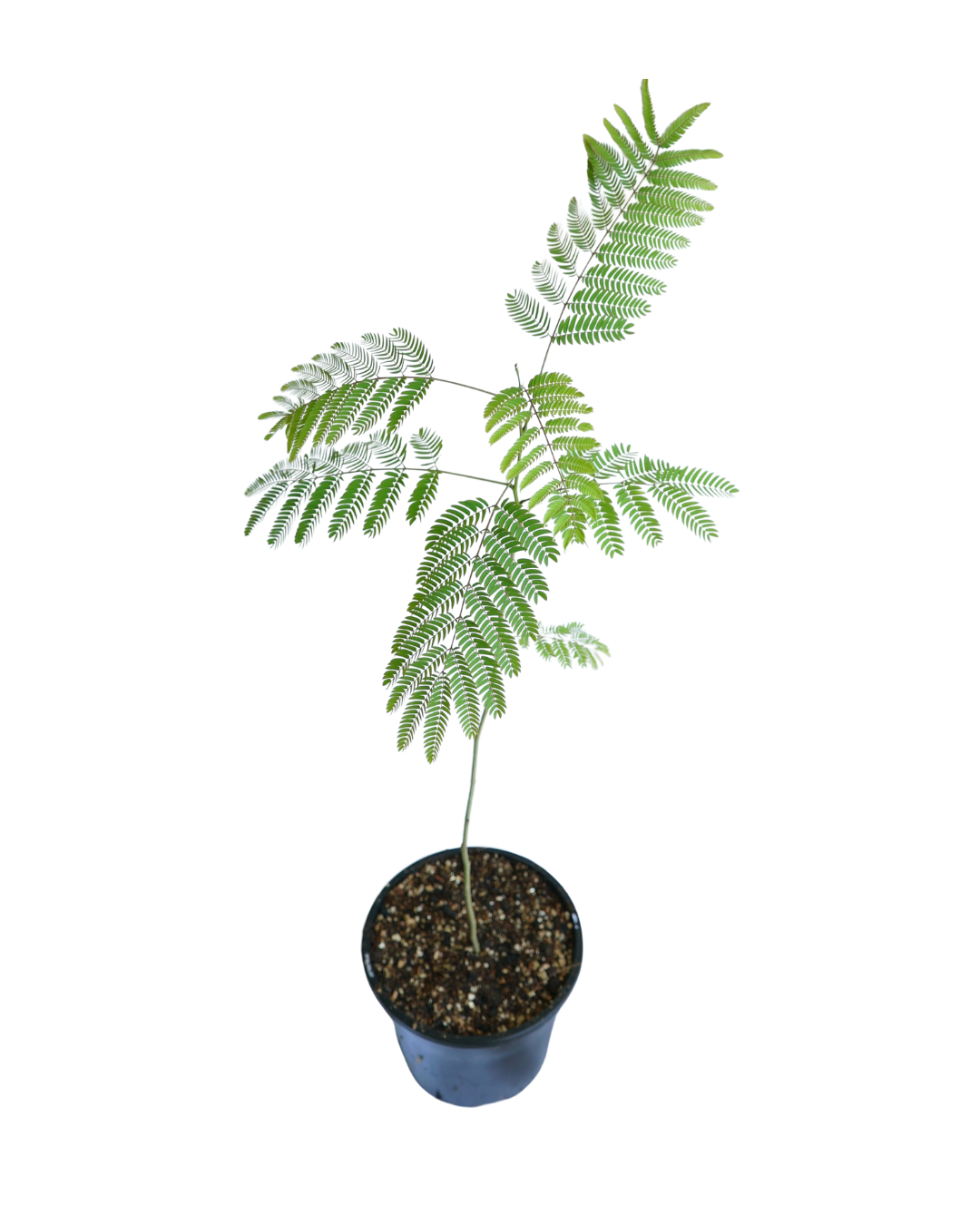
Ginkgo Tree (Ginkgo biloba)
Plant Availability: Late Spring - Summer (November to January)
Pot Size: 3L
Benefits
The Ginkgo tree is loved for its beautiful fan shaped leaves and incredible resilience. Known as one of the oldest living tree species on Earth, it’s traditionally valued for supporting memory, circulation, and overall vitality. Ecologically, it provides seasonal interest, autumn colour, and a hardy canopy that suits both gardens and urban spaces.
Growing Conditions
Season: All year / Perennial
Soil: Rich, well draining, slightly sandy or loamy
Watering: Water regularly while young, then moderate once established
Position: Full sun for best growth and colour
Fertilising: Compost, manure, or a gentle liquid feed in spring
Use
Leaves are often harvested for herbal preparations such as teas and tinctures. The tree itself is most appreciated ornamentally for shade, structure, and golden autumn foliage.
Growing Tips
Ginkgo is slow growing at first but becomes very hardy once established. It handles heat, cold, wind, and pollution well. Plant it with space to grow as it can become large over many years. Prune lightly in winter if needed to shape young trees.
Companion Plants
Pairs well with other deciduous trees and shrubs Underplant with shade tolerant herbs or groundcovers once the canopy develops. Suitable companions include violets, Peppermint & Meadow Sweet
Ginkgo Tree (Ginkgo biloba)
Plant Availability: Late Spring - Summer (November to January)
Pot Size: 3L
Benefits
The Ginkgo tree is loved for its beautiful fan shaped leaves and incredible resilience. Known as one of the oldest living tree species on Earth, it’s traditionally valued for supporting memory, circulation, and overall vitality. Ecologically, it provides seasonal interest, autumn colour, and a hardy canopy that suits both gardens and urban spaces.
Growing Conditions
Season: All year / Perennial
Soil: Rich, well draining, slightly sandy or loamy
Watering: Water regularly while young, then moderate once established
Position: Full sun for best growth and colour
Fertilising: Compost, manure, or a gentle liquid feed in spring
Use
Leaves are often harvested for herbal preparations such as teas and tinctures. The tree itself is most appreciated ornamentally for shade, structure, and golden autumn foliage.
Growing Tips
Ginkgo is slow growing at first but becomes very hardy once established. It handles heat, cold, wind, and pollution well. Plant it with space to grow as it can become large over many years. Prune lightly in winter if needed to shape young trees.
Companion Plants
Pairs well with other deciduous trees and shrubs Underplant with shade tolerant herbs or groundcovers once the canopy develops. Suitable companions include violets, Peppermint & Meadow Sweet


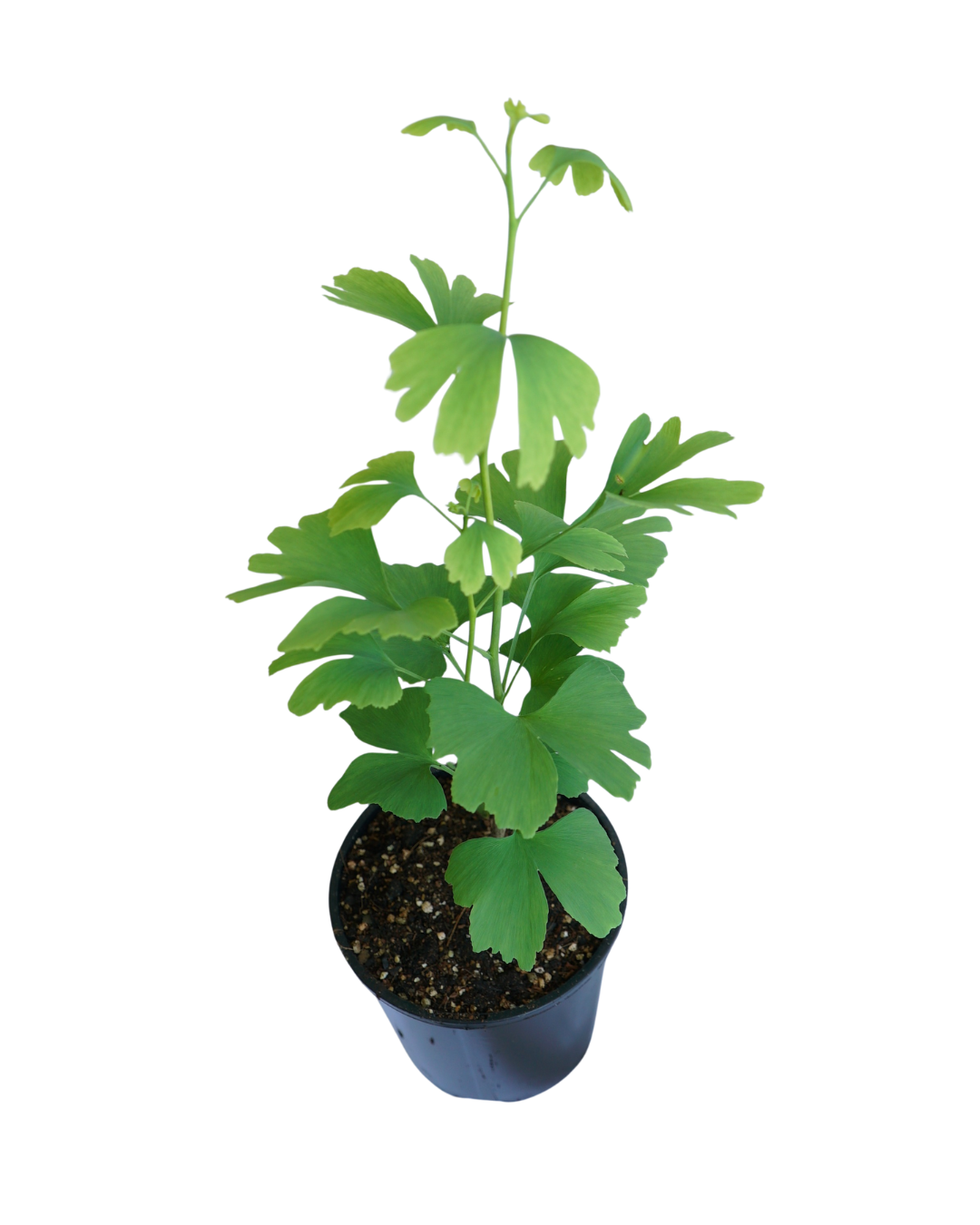 Image 1 of 1