Image 1 of 1
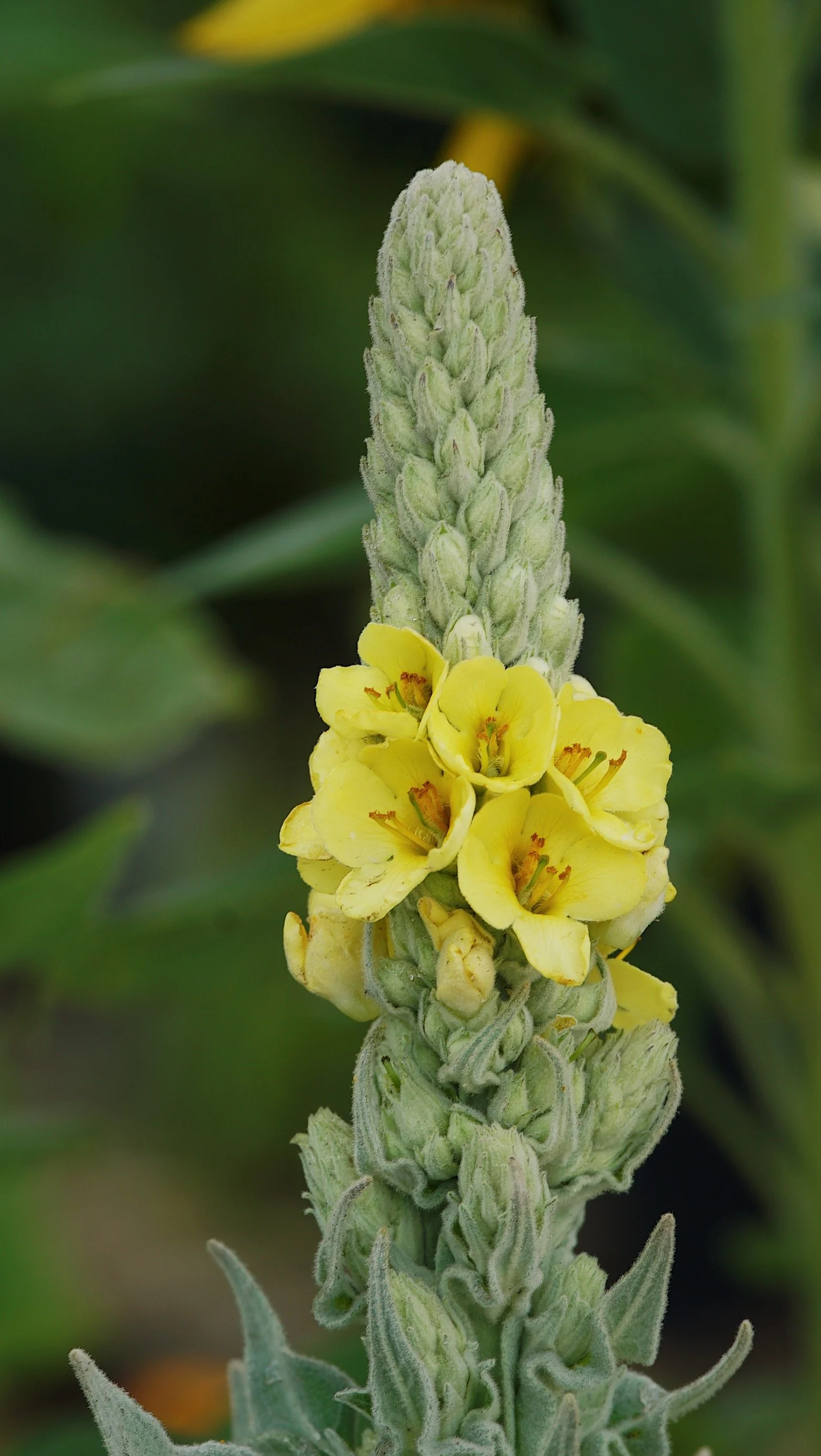
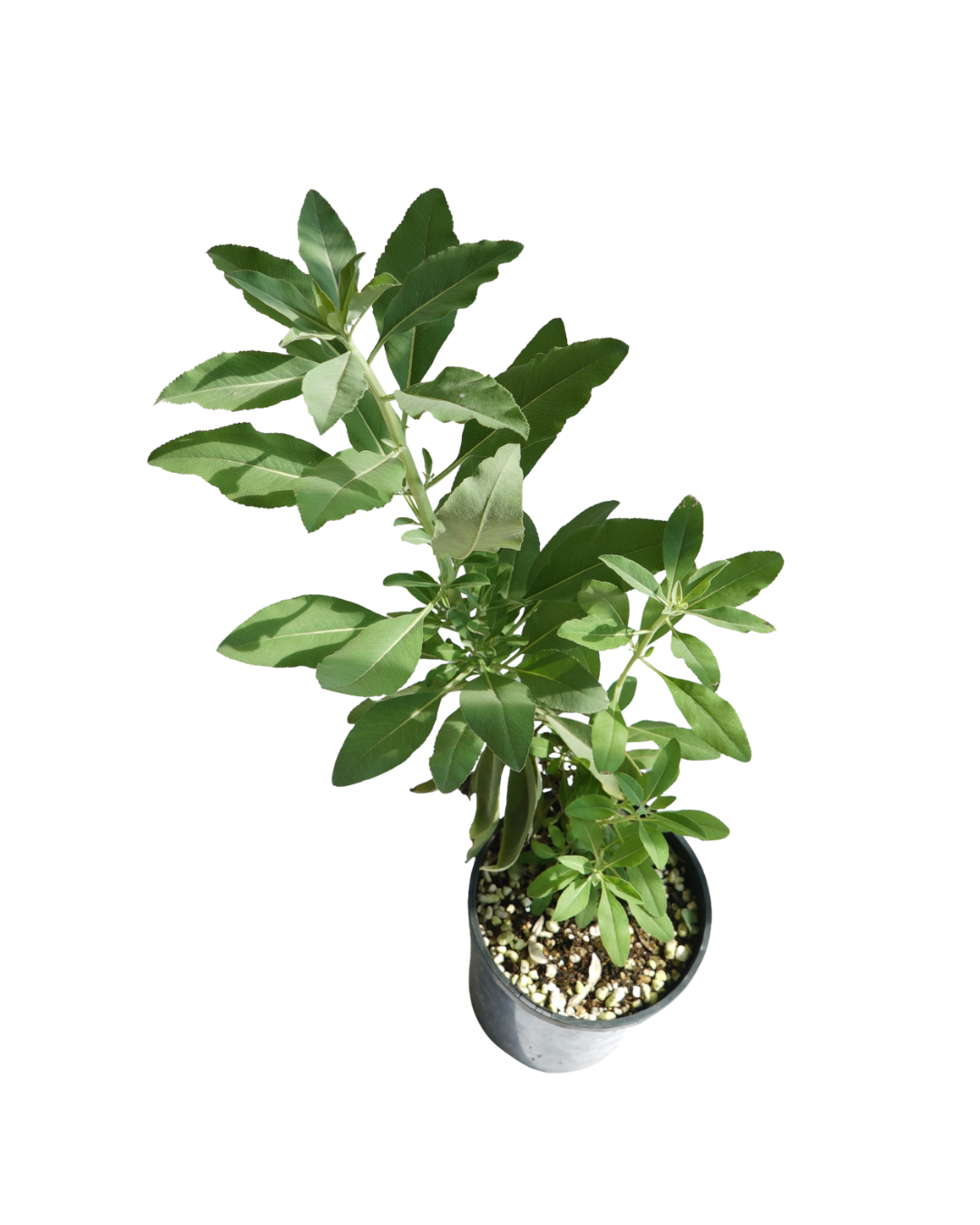
“Tussilago farfara”
Plant Availability: Late Winter to Early Autumn
Pot Size: 1L
Coltsfoot has a long history in traditional herbalism, particularly in traditional preparations associated with the respiratory system. The leaves and flowers have been used historically by herbalists in a variety of preparations. Coltsfoot is also an interesting addition to an ethnobotanical or traditional herb garden. We recommend researching the traditional uses, properties and safety considerations of this fascinating plant before use.
Season: Early Spring to Late Autumn - Perennial
Soil: Rich and Well Draining
Watering: Water Regularly
Position: Full Sun to Part Shade
Fertilizing: Compost, Manure, Liquid Feed
Use: Leaves and flowers have a history of traditional use in herbal preparations. Due to naturally occurring pyrrolizidine alkaloids, internal use of Coltsfoot requires particular caution and we do not recommend preparing or consuming it without appropriate professional guidance.
Growing Tips: Coltsfoot can spread vigorously through its underground root system and requires plenty of space. It can reach approximately 160cm in suitable conditions. Very hardy once established. Regular management and harvesting can help keep growth under control. VERY INVASIVE — best grown in a large pot or other contained area.
Companion Plants: Sunflowers, Yarrow, Lavender
Coltsfoot (Tussilago farfara) naturally contains pyrrolizidine alkaloids, compounds associated with liver toxicity. We do not recommend internal use, particularly during pregnancy or breastfeeding. If you are considering using Coltsfoot internally, seek advice from a qualified healthcare professional with knowledge of herbal medicines. Do not use for prolonged periods.