Image 1 of 3
 Image 2 of 3
 Image 3 of 3
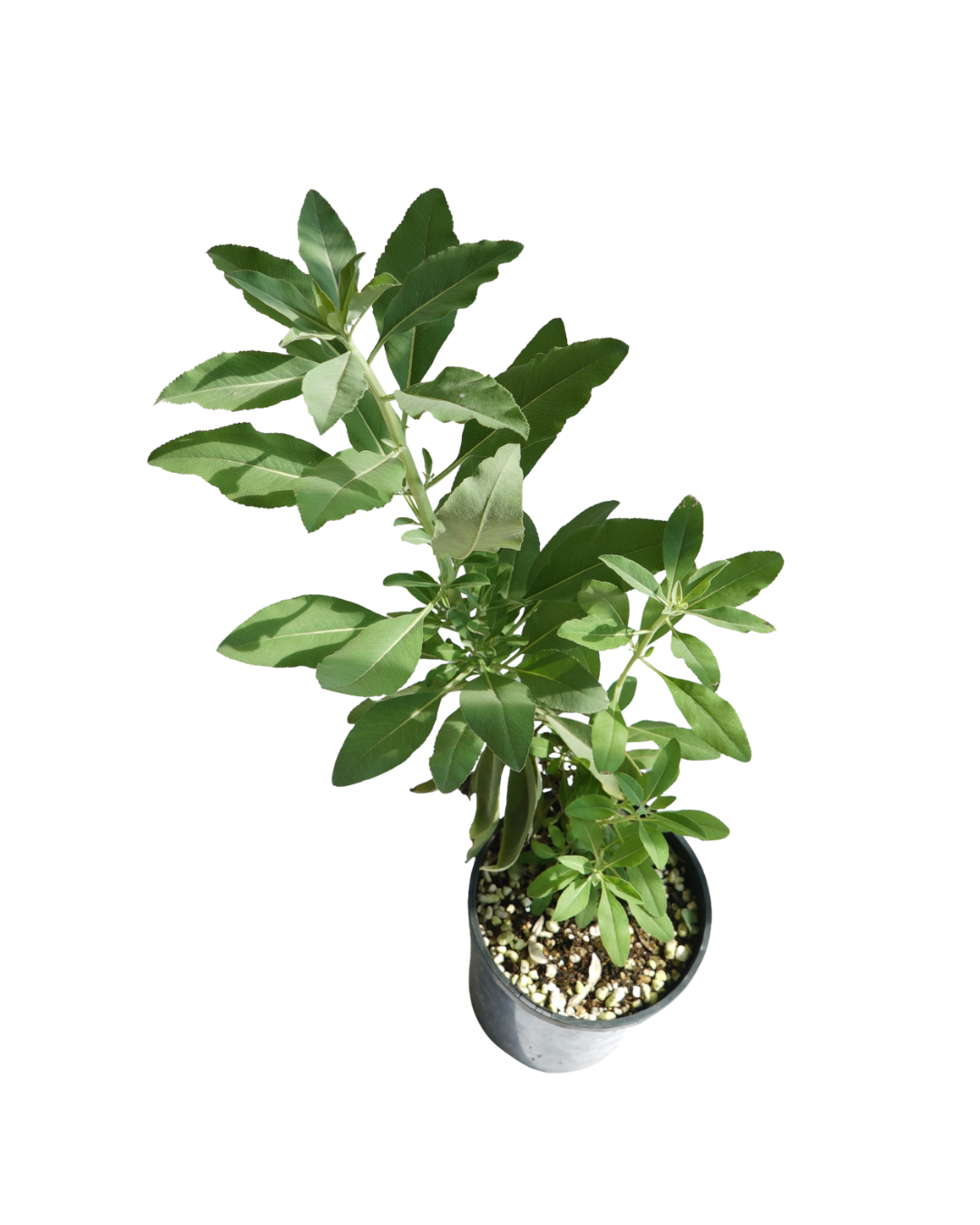
“Scutellaria lateriflora”
PLANT AVAILABILITY: Summer
POT SIZE: 2L
BENEFITS
Skullcap is a traditional herbal plant valued for its calming and relaxing qualities. It has a long history of use in herbal traditions, particularly in preparations traditionally associated with relaxation, rest and general nervous-system support. The leaves and flowers are commonly used in herbal teas and tinctures.
WAY TO PREPARE
Create a cup of tea and enjoy as desired. Can be combined with other herbs to create a blended tea infusion. Also traditionally prepared as a tincture. Harvest the leaves and flowers while fresh and place in a suitable menstruum of choice.
GROWING CONDITIONS
Season: Autumn to Early Summer - Perennial
Soil: Rich and Well Draining
Watering: Water Regularly
Position: Part shade from Spring onwards
Fertilising: Compost, Manure, Liquid feed
Use: Leaves and flowers can be used fresh or dried. Traditionally used for herbal teas and tinctures. Freshly harvested leaves and flowers are commonly preferred for herbal preparations.
Growing tips: Requires space to spread and does well in pots. May die back in late summer and re-sprout from the roots in spring.
Companion Plants: Tulsi, Basil, Other Mint Varieties.