

 Image 1 of 1
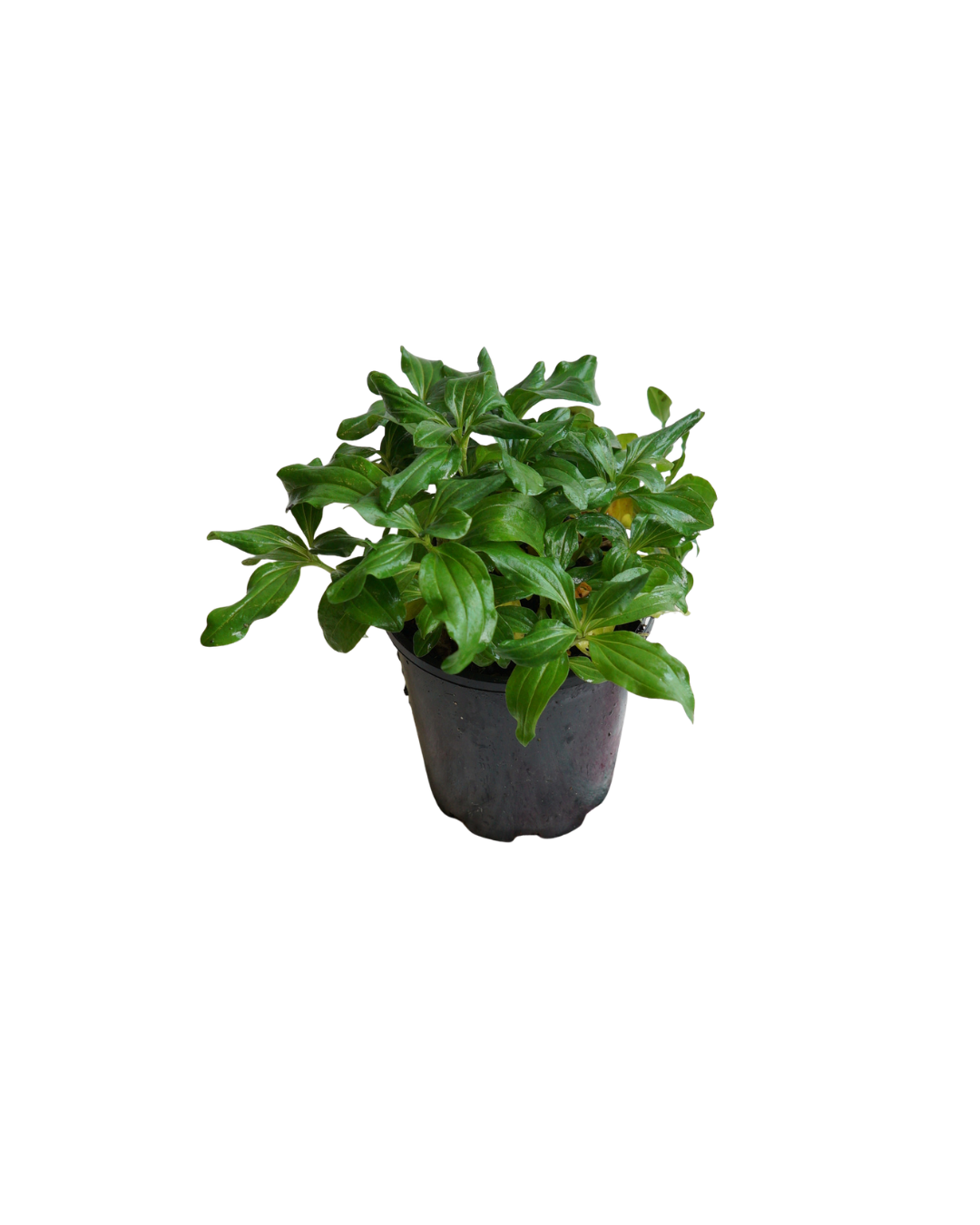
Soapwort (Saponaria officinalis)
Plant Availability: Seasonal
Pot Size: 1L
Soapwort is a hardy flowering perennial traditionally valued for its natural cleansing properties. The roots and leaves contain naturally occurring saponins that create a gentle lather when mixed with water, making it a historic alternative to soap. Its clusters of soft pink flowers attract bees, butterflies, and other beneficial insects, while its long flowering period adds beauty to cottage gardens and pollinator patches.
Season: Spring to Autumn
Soil: Well drained soil with moderate fertility
Watering: Moderate watering, drought tolerant once established
Position: Full sun to part shade
Fertilising: Apply compost annually and avoid excessive fertiliser
Traditionally, Soapwort was used to create a mild cleansing wash for delicate fabrics, skin, and hair. The flowers can be enjoyed as an ornamental feature, while the roots and leaves may be harvested for making natural soap preparations. Always research appropriate preparation methods before use.
Soapwort is easy to grow and can spread through underground rhizomes, making it useful for filling garden spaces. Deadhead spent flowers to encourage prolonged blooming and divide established clumps every few years to maintain vigour. Best suited to cottage gardens, herb gardens, and pollinator friendly landscapes.
Echinacea, yarrow, lavender, bee balm, calendula, foxglove, and other cottage garden flowers.
Soapwort (Saponaria officinalis)
Plant Availability: Seasonal
Pot Size: 1L
Soapwort is a hardy flowering perennial traditionally valued for its natural cleansing properties. The roots and leaves contain naturally occurring saponins that create a gentle lather when mixed with water, making it a historic alternative to soap. Its clusters of soft pink flowers attract bees, butterflies, and other beneficial insects, while its long flowering period adds beauty to cottage gardens and pollinator patches.
Season: Spring to Autumn
Soil: Well drained soil with moderate fertility
Watering: Moderate watering, drought tolerant once established
Position: Full sun to part shade
Fertilising: Apply compost annually and avoid excessive fertiliser
Traditionally, Soapwort was used to create a mild cleansing wash for delicate fabrics, skin, and hair. The flowers can be enjoyed as an ornamental feature, while the roots and leaves may be harvested for making natural soap preparations. Always research appropriate preparation methods before use.
Soapwort is easy to grow and can spread through underground rhizomes, making it useful for filling garden spaces. Deadhead spent flowers to encourage prolonged blooming and divide established clumps every few years to maintain vigour. Best suited to cottage gardens, herb gardens, and pollinator friendly landscapes.
Echinacea, yarrow, lavender, bee balm, calendula, foxglove, and other cottage garden flowers.